
Why Am I Craving Sugar in Perimenopause?
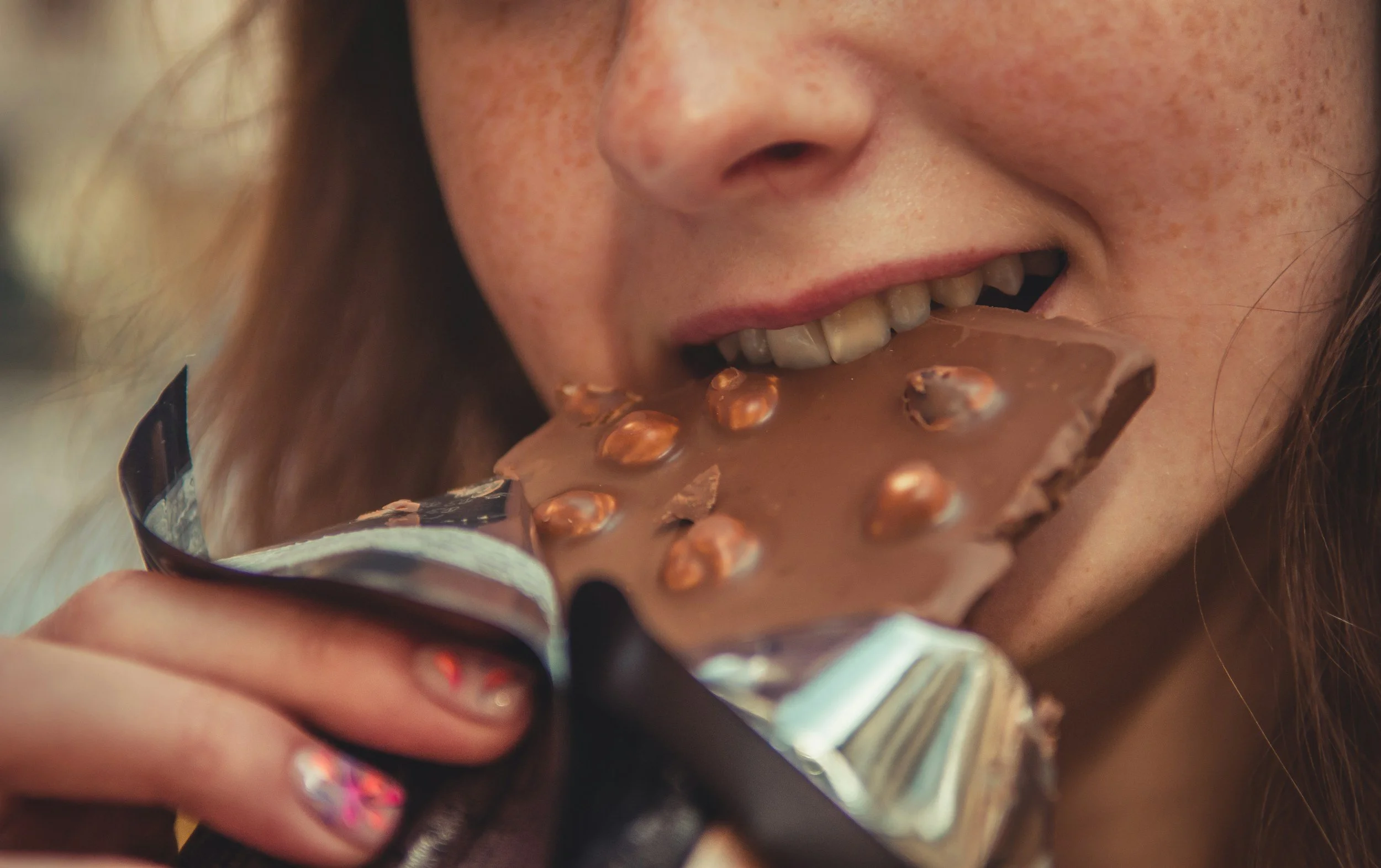
What Your Sugar Cravings May Be Telling You About Blood Sugar, Stress, Sleep, and Hormones
If your sugar cravings have gotten louder in perimenopause, you are not imagining it.
One minute you are eating healthy, feeling motivated, and planning a balanced dinner. The next minute you are standing in the pantry looking for chocolate like it personally owes you emotional support.
And then comes the guilt.
“Why can’t I just have more willpower?”
“Why do I always crave sugar at night?”
“Why am I eating healthy all day and then falling apart after dinner?”
Here is the truth: sugar cravings are not always a discipline problem.
They are often a signal.
At C&C Holistic Living, I help women in perimenopause understand the root causes behind cravings, stubborn weight, fatigue, bloating, blood sugar swings, and hormone symptoms so they can stop blaming themselves and start supporting their body differently.
Sugar Cravings Are Often a Blood Sugar Problem
One of the biggest reasons women crave sugar in perimenopause is unstable blood sugar.
When blood sugar rises and crashes throughout the day, your body looks for quick energy. And sugar is quick energy.
That craving may feel emotional, but sometimes it is physiological.
Blood sugar swings can happen when you:
Skip breakfast
Drink coffee before food
Eat too little protein
Go too long between meals
Eat a carb-heavy breakfast or lunch
Under-eat during the day
Over-exercise without fueling
Sleep poorly
Drink alcohol
Live in chronic stress
When blood sugar drops, your body may push you toward something fast, sweet, salty, or snacky.
That is not your body betraying you. That is your body trying to get energy quickly.
The goal is not to shame the craving. The goal is to understand why it is happening.
Perimenopause Can Make Blood Sugar More Sensitive
During perimenopause, estrogen and progesterone fluctuate. These hormone changes can affect insulin sensitivity, appetite, sleep, mood, and stress resilience.
That means the way your body responds to food may shift.
The breakfast that used to hold you over may not anymore. The glass of wine that used to feel harmless may now trigger poor sleep, night sweats, and cravings the next day. The long gap between lunch and dinner may suddenly feel like a full-body emergency.
This is why women often say, “I have not changed anything, but my body has changed.”
Exactly.
Your body changed, so your support has to change too.
If you are also dealing with hot flashes, night sweats, or waking in the middle of the night, blood sugar may be part of the conversation. You can explore more articles like this on the C&C Holistic Living blog.
Under-Eating During the Day Can Lead to Nighttime Cravings
This is one of the most common patterns I see.
A woman starts her day with coffee. Maybe she has a light breakfast or skips it completely. Lunch is a salad, a protein bar, a smoothie, or random bites between meetings. She is busy all day, proud that she “did well,” and then nighttime hits.
Suddenly, she wants chips, chocolate, cereal, wine, or anything easy.
That is not lack of willpower.
That is under-fueling catching up with her.
Your body does not forget that you under-ate. It collects receipts.
If you do not give your body enough protein, minerals, healthy fats, fiber, and energy earlier in the day, cravings often show up later.
This is why I help clients build meals that are satisfying and blood-sugar supportive, not tiny meals that look “good” but leave them raiding the pantry later.
Stress Cravings Are Real
Perimenopause often overlaps with one of the most demanding seasons of life.
Work. Kids. Aging parents. Marriage. Household responsibilities. Hormone changes. Poor sleep. Everyone needing something all the time.
Your nervous system may be fried.
When stress is high, your body may crave quick comfort and quick energy. Sugar can temporarily feel soothing because it gives a fast dopamine hit and fast fuel.
But it does not solve the stress underneath.
This is where I help clients get curious instead of judgmental.
Are you craving sugar because you are hungry?
Because you are tired?
Because you are overwhelmed?
Because you did not eat enough protein?
Because you are using food as the only pause in your day?
Because your blood sugar is crashing?
Because you are emotionally done by 8 p.m.?
The answer matters.
Poor Sleep Can Increase Cravings
If you are sleeping poorly, cravings are not surprising.
Poor sleep can affect hunger hormones, insulin sensitivity, cortisol, energy, mood, and decision-making.
Translation: after a bad night of sleep, your body wants fast energy and your brain has approximately zero interest in making grilled salmon and vegetables.
This is why “just have more discipline” is such lazy advice.
Sleep deprivation changes your physiology.
If you are waking at 3 a.m., having night sweats, or not feeling rested, cravings may be part of a bigger pattern. In my services and programs, we look at how sleep, blood sugar, digestion, stress, and hormones are all connected.
Protein Can Help Calm Sugar Cravings
Protein is one of the most powerful tools for cravings.
It supports blood sugar stability, muscle maintenance, satiety, metabolism, and recovery.
Many women think they are eating enough protein, but when we actually look at their meals, they are often falling short — especially at breakfast and lunch.
A protein-forward breakfast can make a huge difference for cravings later in the day.
That might look like:
Eggs with avocado and fruit
Turkey sausage with roasted vegetables
Greek-style yogurt if tolerated with protein, berries, and chia
A protein smoothie with enough protein, fat, and fiber
Leftovers from dinner
Chicken sausage with sweet potato and greens
Ground beef or turkey breakfast bowl
It does not have to be fancy. It just has to be enough.
Minerals, Hydration, and Cravings
Sometimes cravings are not just about sugar.
Sometimes your body is asking for minerals, hydration, or more nourishment.
If you are under-hydrated, under-mineralized, sweating more, drinking a lot of coffee, eating less, or dealing with stress, your body may feel depleted.
That can show up as cravings, fatigue, headaches, mood swings, low energy, or feeling like you need “something” but do not know what.
This is why I often talk with clients about water, electrolytes, minerals, salt, and nutrient-dense foods.
Wellness does not always need to be complicated.
Sometimes your body needs breakfast, protein, water, minerals, and a bowel movement before it needs another supplement trend.
Your Relationship With Food Matters Too
Sugar cravings are not always just physical.
Food is emotional. Food is comfort. Food is celebration. Food is habit. Food is sometimes the only thing that feels easy in a stressful day.
That does not make you weak. It makes you human.
But if sugar is your main coping tool, we need to look at what else is going on.
At C&C Holistic Living, I help clients understand their patterns without shame. We look at food structure, blood sugar, digestion, stress, sleep, habits, emotional eating, and the “why” underneath the craving.
Because the goal is not to never eat sugar again.
The goal is to stop feeling controlled by it.
How I Help Clients With Sugar Cravings
When a client comes to me with sugar cravings, I do not immediately hand her a restrictive meal plan and tell her to try harder.
We look at the whole picture.
Are meals balanced?
Is protein high enough?
Is breakfast working?
Is blood sugar stable?
Are cravings happening at a certain time?
Is sleep disrupted?
Is stress high?
Is digestion sluggish?
Are bowels moving daily?
Are minerals depleted?
Is the client under-eating or over-restricting?
Is there an emotional pattern with food?
Then we build a plan that supports the body instead of punishing it.
You can learn more about my story and root-cause approach on my About page.
How C&C Holistic Living Can Help
At C&C Holistic Living, we look at why cravings are happening instead of simply telling you to “try harder.” Sugar cravings may be connected to blood sugar swings, low protein, under-eating, poor sleep, stress, digestion, minerals, or emotional patterns with food.
For sugar cravings, the Nourish & Thrive Package or Restart Program may be a helpful place to start. Functional bloodwork and HTMA mineral testing may also help uncover patterns related to blood sugar, stress, minerals, energy, and metabolism.
The goal is to help you understand your cravings, build meals that support your body, and create habits that actually work in real life.
Final Thoughts
Sugar cravings in perimenopause are not always a willpower issue.
They may be connected to blood sugar swings, under-eating, low protein, stress, poor sleep, hormone shifts, minerals, hydration, digestion, and emotional patterns around food.
Your cravings are information.
At C&C Holistic Living, I help women uncover the root causes behind cravings, stubborn weight, bloating, fatigue, and hormone symptoms so they can stop fighting their body and start feeling more in control.
Ready to stop blaming yourself for cravings and start understanding what your body needs? Book a discovery call and let’s look at what your body is actually trying to tell you.
Christa Chioini is the founder of C&C Holistic Living and a Nutritional Therapy Practitioner and Restorative Health Practitioner Level 2 specializing in root-cause nutrition for women in perimenopause and menopause. She helps women connect the dots between weight loss resistance, digestion, blood sugar, fatigue, hormones, and lifestyle patterns through personalized wellness support and functional testing.
Disclaimer: The information shared in this blog is for educational and informational purposes only and is not intended to diagnose, treat, cure, or prevent any disease. This content is not medical advice and should not replace care from your physician or qualified healthcare provider. Always consult with your healthcare provider before making changes to your diet, supplements, medications, exercise routine, or health plan, especially if you have a medical condition, are pregnant or nursing, or are taking prescription medications.
